Eukaryon & Karyotype Research Systems
Advancing Biotechnology Through Cellular Discovery and Molecular Innovation
Welcome to Eukaryon & Karyotype Research Systems, a scientific knowledge platform dedicated to exploring the complexity of living systems through biotechnology, molecular biology, cellular research, genetics, and interdisciplinary scientific investigation.
Modern biotechnology connects fundamental biological knowledge with innovative technologies to investigate cellular processes, understand genetic organization, characterize biological molecules, and develop new approaches to scientific research. By bringing together experimental methods, analytical tools, computational strategies, and emerging discoveries, Eukaryon & Karyotype Research Systems promotes a deeper understanding of biological systems and their applications across research and innovation.
Our platform provides an interdisciplinary perspective on the mechanisms that govern living organisms, from the organization of genetic material to the regulation of cellular functions and the development of advanced biotechnological methodologies.
Through educational resources, scientific articles, research-oriented publications, and structured learning materials, we aim to support the exchange of scientific knowledge and encourage a comprehensive understanding of contemporary biotechnology.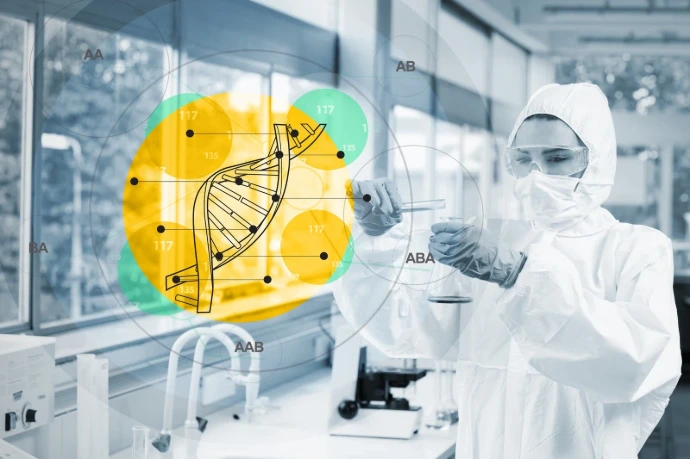
Exploring the Foundations of Biotechnology
Biotechnology relies on the integration of biological principles, scientific experimentation, and technological innovation. From studying microorganisms and cultured cells to investigating genes, proteins, and metabolic pathways, biotechnology offers diverse approaches for understanding biological complexity.
Eukaryon & Karyotype Research Systems explores these interconnected disciplines through a broad scientific framework that emphasizes biological mechanisms, experimental approaches, and the interpretation of research findings.
Our areas of interest include cellular biology, molecular genetics, genomics, proteomics, bioinformatics, bioprocess engineering, and the development of analytical technologies. These fields contribute to an expanding scientific landscape in which biological knowledge can be investigated through increasingly precise and integrated methodologies.
Understanding the foundations of biotechnology also requires attention to experimental design, reproducibility, data quality, and responsible scientific interpretation. These principles support the development of reliable knowledge and encourage meaningful connections between fundamental research and practical applications.
Cellular Biology and Eukaryotic Systems
Understanding Cellular Organization and Function
Eukaryotic cells contain specialized structures that coordinate essential biological activities. The nucleus, mitochondria, endoplasmic reticulum, Golgi apparatus, and other cellular compartments contribute to the maintenance, regulation, and adaptation of living systems.
Investigating these structures provides insight into cellular metabolism, intracellular communication, gene expression, protein synthesis, and responses to environmental conditions.
Our scientific content examines the relationships between cellular architecture and biological function, with particular attention to the mechanisms that regulate cell growth, differentiation, signaling, and survival.

Cellular Signaling and Molecular Regulation
Cells continuously respond to internal and external signals through interconnected molecular pathways. Receptors, enzymes, transcription factors, and signaling molecules participate in regulatory networks that influence cellular behavior.
Understanding these pathways is essential for investigating physiological processes, cellular adaptation, disease-associated mechanisms, and potential biotechnological applications.
By examining cellular signaling from a molecular perspective, researchers can develop more comprehensive interpretations of complex biological responses.

Genetics, Genomics, and Chromosomal Organization
Investigating Genetic Information
Genetic information provides the molecular foundation for the development, maintenance, and functioning of living organisms. DNA organization, gene regulation, genetic variation, and genome stability are central subjects in contemporary biological research.
Eukaryon & Karyotype Research Systems explores the principles of molecular genetics and genomics, including DNA replication, transcription, RNA processing, gene expression, and the regulation of genetic information.
These subjects contribute to a broader understanding of heredity, biological diversity, cellular differentiation, and the molecular mechanisms underlying biological variation.
Chromosomes and Karyotype Analysis
Chromosomes organize genetic material and play a fundamental role in cell division, inheritance, and genome stability. Karyotype analysis provides a method for examining chromosome number, structure, and certain chromosomal abnormalities.Learn more
Our platform explores the scientific principles behind chromosome organization, cytogenetic analysis, genome integrity, and the relationship between chromosomal structure and biological function.
Advances in molecular cytogenetics and genomic technologies continue to expand the possibilities for investigating genetic variation and understanding complex biological systems.
Molecular Genetics and Emerging Technologies
Modern genetic research increasingly combines traditional molecular techniques with high-throughput sequencing, computational analysis, and advanced genome characterization.
These technologies enable researchers to investigate genetic variation, analyze complex datasets, and explore relationships between genetic information and biological outcomes.
Understanding their principles, applications, and limitations is essential for interpreting contemporary genomic research responsibly.

Molecular Biology and Biomolecular Research

From DNA and RNA to Protein Function
Molecular biology investigates the mechanisms through which genetic information is stored, expressed, regulated, and translated into biological activity.
DNA, RNA, and proteins form interconnected molecular systems that coordinate cellular processes. Changes in gene expression, RNA stability, protein abundance, or molecular interactions can influence cellular function and biological responses.
Our scientific resources explore these relationships through topics such as transcriptional regulation, RNA biology, protein synthesis, molecular interactions, and the organization of intracellular pathways.
Enzymology and Biochemical Pathways
Enzymes accelerate biochemical reactions and regulate metabolic networks. Their activity can be influenced by temperature, pH, substrate concentration, cofactors, inhibitors, and other environmental factors.
The study of enzyme kinetics, catalytic mechanisms, and metabolic regulation supports the development of analytical methods and biotechnological processes.
Our platform highlights the importance of biochemical characterization in understanding biological systems and evaluating opportunities for technological improvement. Learn more

Protein Structure and Function
Proteins participate in nearly every major biological process, including enzymatic catalysis, structural organization, molecular transport, immune recognition, and cellular signaling.
Their functions depend on amino acid composition, three-dimensional structure, conformational flexibility, and interactions with other molecules.
Protein characterization combines analytical methods and computational approaches to investigate molecular properties, structural organization, stability, and biological activity.
Understanding protein behavior is particularly important in biotechnology, enzyme engineering, biomarker research, biopharmaceutical development, and molecular diagnostics.

Genomics, Transcriptomics, and Multi-Omics Integration
Investigating Biological Systems at Multiple Levels
Contemporary biotechnology increasingly uses omics technologies to investigate biological systems on a broad scale. Genomics examines genetic information, transcriptomics investigates RNA expression, proteomics characterizes proteins, and metabolomics explores small-molecule profiles.
Each approach provides a different perspective on biological organization. When combined carefully, these complementary datasets can reveal relationships that may remain difficult to identify through a single analytical method.
Eukaryon & Karyotype Research Systems explores the principles of multi-omics integration, including experimental planning, data quality assessment, analytical workflows, and biological interpretation.

Single-Cell Analysis
Traditional biological measurements often describe average characteristics across populations of cells. Single-cell technologies make it possible to investigate cellular heterogeneity and identify differences between individual cells within the same biological system.
Single-cell sequencing, cellular imaging, and related analytical approaches can help researchers examine cellular diversity, differentiation trajectories, and complex tissue organization.
These methods are increasingly relevant to developmental biology, immunology, cancer research, neuroscience, and the study of cellular responses to environmental changes.
Bioinformatics and Computational Biology
The increasing volume and complexity of biological data have made computational analysis an essential component of modern research.
Bioinformatics combines biology, statistics, mathematics, and computer science to organize, analyze, and interpret biological information.
Applications include sequence analysis, genomic annotation, gene expression profiling, protein structure prediction, biological network analysis, and the integration of heterogeneous datasets.
By exploring computational biology alongside experimental science, our platform emphasizes the importance of combining quantitative evidence with biological reasoning.
Biotechnology and Bioprocess Engineering
Translating Biological Knowledge into Processes
Biotechnology extends beyond the investigation of biological mechanisms. It also includes the development and optimization of processes that use cells, microorganisms, enzymes, and biological molecules to produce useful materials or perform specific functions.
Bioprocess engineering connects biological sciences with chemical engineering, process monitoring, and industrial technologies.
Important areas include microbial cultivation, cell culture, fermentation, downstream processing, process optimization, and quality assessment.
Understanding these processes requires knowledge of biological growth, nutrient availability, oxygen transfer, mass transfer, process parameters, and the relationship between operating conditions and product characteristics.
Microbial Biotechnology
Microorganisms play important roles in industrial biotechnology, environmental applications, food production, and scientific research.
Bacteria, yeasts, and other microorganisms can be studied for their metabolic capabilities, interactions with their environments, and potential use in controlled biological processes.
Microbial biotechnology investigates cultivation strategies, microbial physiology, fermentation, enzyme production, and the use of biological systems in sustainable technological applications.
Cell Culture and Experimental Models
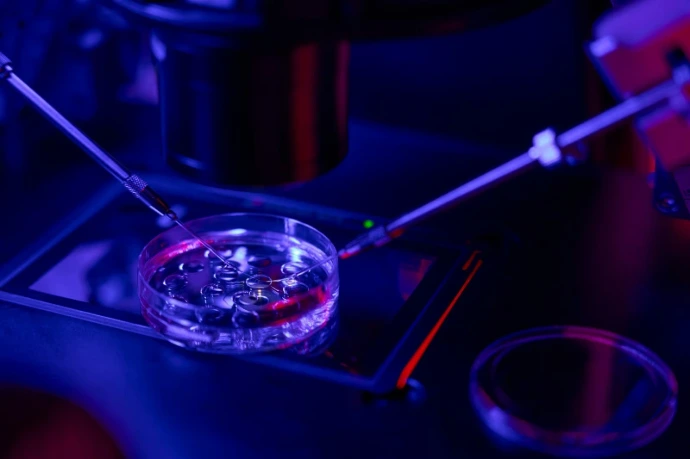
Cell culture provides controlled experimental systems for studying cellular behavior, molecular mechanisms, and biological responses.
Research involving cultured cells requires appropriate model selection, experimental controls, validated methods, and careful consideration of biological variability.
Our platform addresses the scientific principles underlying cell culture, cell viability assessment, cellular imaging, and the interpretation of experimental results.
These methods contribute to research in molecular biology, biotechnology, pharmacology, toxicology, and biomedical science.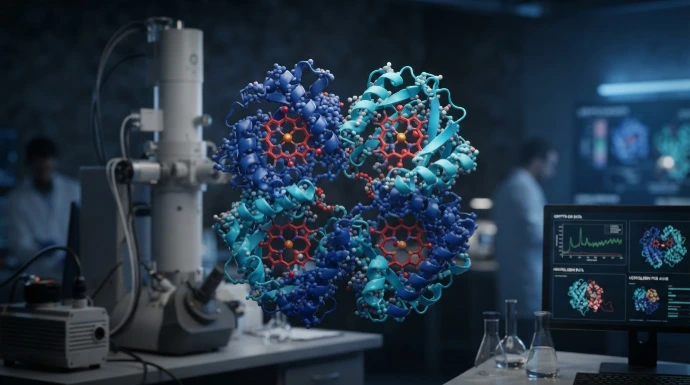
Analytical Technologies and Experimental Methods
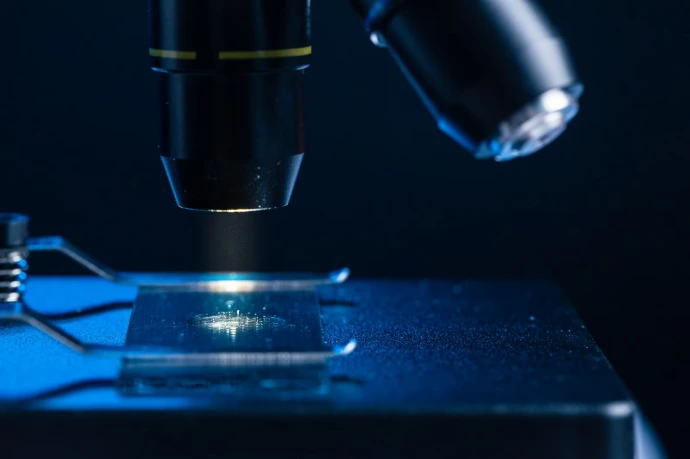
Microscopy and Cellular Imaging
Microscopy makes it possible to investigate cellular morphology, intracellular structures, tissue organization, and dynamic biological processes.
Light microscopy, fluorescence microscopy, confocal imaging, and advanced imaging technologies provide different levels of resolution and analytical capability.
Image acquisition and analysis can reveal patterns that complement molecular measurements and biochemical assays.
The integration of microscopy with computational image analysis continues to expand the possibilities for studying complex biological systems.
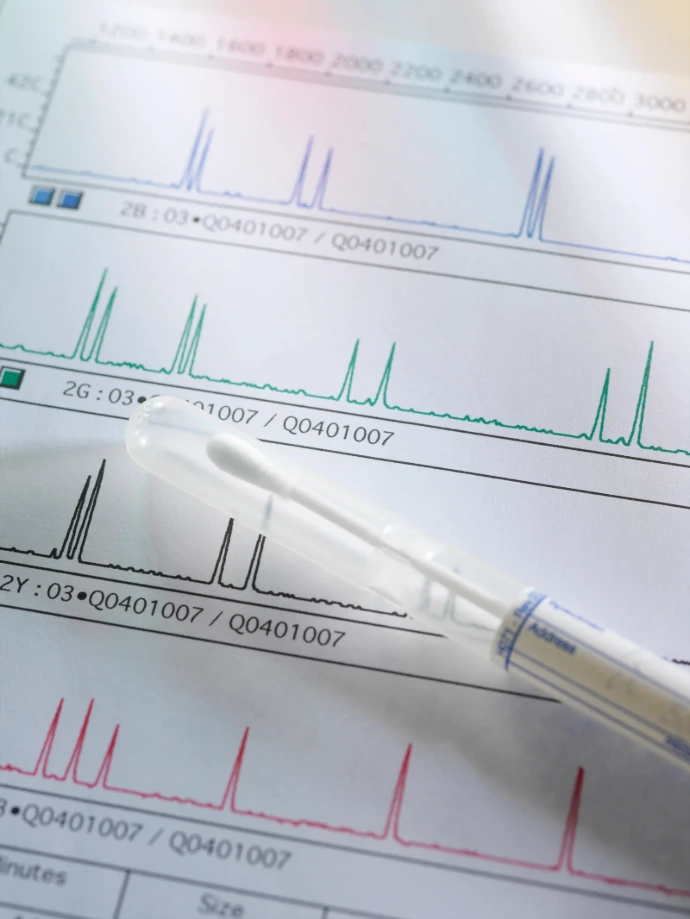
Characterizing Biological Materials
Reliable biotechnology research depends on analytical methods capable of characterizing biological materials and measuring molecular or cellular properties.
Spectroscopy, chromatography, electrophoresis, microscopy, immunoassays, and molecular amplification techniques provide complementary forms of experimental evidence.
Each technique has specific strengths, limitations, and requirements for sample preparation, calibration, controls, and data interpretation.
Understanding these factors supports the selection of appropriate analytical strategies and helps researchers assess the reliability of experimental findings.
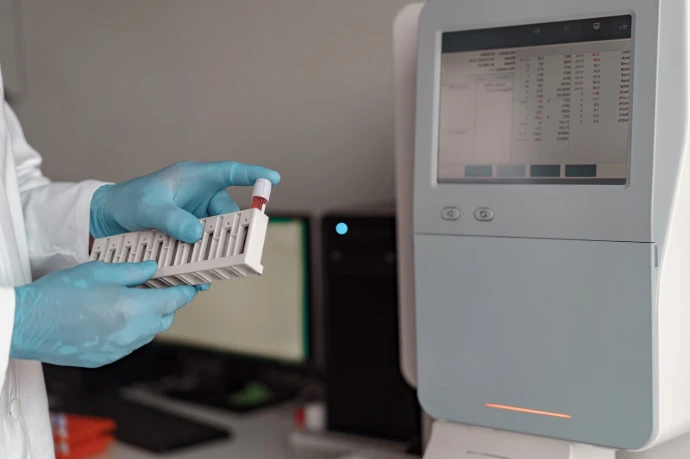
Molecular Detection and Quantitative Analysis
Molecular detection techniques support the identification and measurement of nucleic acids, proteins, metabolites, and other biological targets.
Polymerase chain reaction, quantitative PCR, sequencing technologies, immunodetection methods, and analytical instrumentation are widely used across biological research.
Reliable quantitative analysis requires suitable controls, appropriate normalization, validation of measurement procedures, and transparent reporting of uncertainty.
Our resources explore these principles to encourage rigorous and reproducible scientific investigation.
Artificial Intelligence and Emerging Biotechnologies
Integrating Artificial Intelligence into Biological Research
Artificial intelligence and machine learning are increasingly applied to biological data analysis, molecular characterization, image interpretation, and the identification of patterns in complex datasets.
Computational models can support sequence analysis, protein structure investigation, predictive modeling, and the prioritization of research hypotheses.
However, algorithmic predictions must be evaluated against appropriate experimental evidence and validated datasets.
Eukaryon & Karyotype Research Systems examines the opportunities and limitations associated with computational innovation, emphasizing the importance of data quality, methodological transparency, and responsible interpretation.
Synthetic Biology and Biological Engineering
Synthetic biology combines molecular biology, engineering principles, and quantitative methods to investigate and design biological systems.
Research in this area includes genetic circuit design, biological component characterization, metabolic engineering, and the development of biological systems with defined functions.
These approaches offer opportunities for advancing industrial biotechnology, sustainable production, biosensing, and fundamental biological research.
The field also requires careful consideration of biosafety, responsible innovation, and the potential consequences of modifying biological systems.
Gene Editing and Molecular Innovation
Genome-editing technologies have expanded the possibilities for investigating gene function, modeling biological processes, and studying genetic variation.
Their scientific applications depend on the target system, experimental design, editing efficiency, specificity, and appropriate validation.
Our platform explores the underlying principles of gene editing and its role in contemporary biotechnology without overlooking technical limitations, ethical considerations, or the need for rigorous evidence.
Our Vision for the Future of Biotechnology
Biotechnology continues to evolve through advances in molecular measurement, genome analysis, high-resolution imaging, computational modeling, and biological engineering.
These developments are creating new opportunities to investigate cellular systems, understand molecular interactions, improve analytical workflows, and explore innovative research applications.
At the same time, scientific progress requires careful validation, responsible use of technology, and a commitment to transparent communication.
Our vision is to provide a coherent scientific resource that explores these developments while maintaining a strong foundation in biological principles and research methodology.
Through interdisciplinary knowledge and a focus on scientific understanding, Eukaryon & Karyotype Research Systems seeks to contribute to the continuing exploration of biological complexity.
Discover, Understand, and Explore Biotechnology
Biotechnology brings together the study of living systems and the development of methods that extend our ability to investigate them.
From the organization of chromosomes and the regulation of gene expression to protein characterization, cellular analysis, bioprocess engineering, and computational biology, each field contributes to a more comprehensive understanding of biological systems.
Explore our scientific resources to discover the concepts, methods, and emerging technologies shaping contemporary biotechnology.
Eukaryon & Karyotype Research Systems — Exploring Cellular Complexity, Advancing Molecular Knowledge, and Connecting Scientific Discovery with Biotechnological Innovation.